The 2025 National Consumer Sentiment Survey reveals that almost half of Australians have recently missed out on essential medical care due to rising costs. Financial barriers to treatment and medication continue to affect a significant proportion of patients, including those most at risk.
For senior healthcare leaders, understanding the factors contributing to missed care is critical. This survey offers valuable insights into the evolving challenges facing patients and identifies clear opportunities for providers and policymakers to improve system responsiveness, accessibility, and financial sustainability. It examines the impact of financial stress on health outcomes, highlights the urgent requirement for workforce expansion, and explores shifts in patient expectations. By considering these factors, senior leaders can better align resources and system design to improve both patient experience and organisational performance. These survey findings highlight pressing factors driving change in the Australian healthcare sector. For senior leaders responsible for shaping policy and operational strategy, understanding patient sentiment is essential to delivering responsive, sustainable services. The following analysis distils key insights from the survey, providing an evidence base to inform strategic decision-making and support the advancement of patient-centred, financially sustainable healthcare delivery.
The Current State of Patient Satisfaction
Australia maintains a strong foundation of high-quality medical care. The recent survey data reveal that 81.6 per cent of respondents feel highly satisfied with the quality of healthcare they receive. Furthermore, 38.2 per cent of people rate their personal health as very good or excellent. Despite this high level of baseline satisfaction, patients still recognise the urgent need for systemic improvement. Over half of the respondents, precisely 55.6 per cent, believe the system requires major changes to function effectively. Only a small fraction believes a complete rebuild is necessary, highlighting a general trust in the existing clinical structures. For senior healthcare executives and policymakers, recognising this dual perspective is critical to designing effective operational strategies. While patients value the commitment and professionalism of clinical teams, they are clearly frustrated by systemic inefficiencies and long wait times. Developing targeted initiatives to address these structural challenges is essential for enhancing patient satisfaction and delivering sustainable improvements in care quality.
The Severe Impact of Financial Stress
Financial stress is currently the most significant factor associated with poor health outcomes nationwide. Approximately 35.6 per cent of Australians report experiencing severe financial difficulties over the past year. This economic pressure makes it incredibly hard for families to pay for basic healthcare, essential medicines, and standard household bills.
The survey highlights that 49.8 per cent of individuals missed out on the care they needed in the past year. Cost serves as the primary barrier for these patients. Specifically, 67.0 per cent delayed dental care, 54.2 per cent skipped prescription medications, and 48.7 per cent avoided recommended medical treatments.
Delays in accessing routine medical care can lead to disease progression and exacerbate patient acuity, ultimately increasing emergency admissions. This places substantial operational strain on acute hospital resources, driving up demand for urgent interventions and contributing to both bed shortages and heightened workload pressures across care teams.
Confidence in Healthcare Affordability
While half of the population feels confident, they will receive safe medical care, financial anxiety remains prevalent. Only 32.3 per cent of respondents feel confident they could afford necessary care if they became seriously ill. Additionally, the high cost of premiums is the main reason 71.9 per cent of uninsured individuals choose not to hold private health cover.
Urgent Priorities for Government Policymakers
The survey outlines clear priorities for government intervention and healthcare funding. A significant 57.1 per cent of respondents believe that current government spending on healthcare is far too low. The community expects a strong legislative response to address the rising operational costs of medical service delivery.
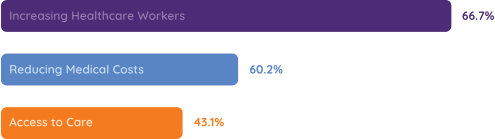
Respondents identified three specific areas requiring immediate government focus:
- Increasing the number of available doctors, nurses, and allied health workers (66.7 per cent).
- Reducing the baseline cost of medical care and essential medicines (60.2 per cent).
- Improving general access to timely medical appointments (43.1 per cent).
To advance equity within the healthcare system, it is essential that policymakers prioritise targeted policy reforms. Strategic investment in rural health infrastructure and initiatives to enhance digital health literacy are critical for reducing existing disparities. Senior leaders are encouraged to advocate for evidence-based allocation of resources and the implementation of policy measures that address service gaps and promote equitable access for all populations.
Top 3 Health Priorities from respondents
Managing the Rising Tide of Chronic Conditions
Modern medical facilities must adapt to support an ageing population with complex clinical needs. The data shows that 61.7 per cent of individuals live with at least one chronic condition. Furthermore, 28.2 per cent of respondents actively manage two or more chronic illnesses simultaneously.
The most common chronic conditions reported include mental health disorders (24.8 per cent), arthritis (20.3 per cent), and asthma (13.7 per cent). Managing these long-term health issues requires a highly coordinated and multidisciplinary clinical approach. For senior management, ensuring that workforce planning incorporates a strategically balanced mix of specialised allied health professionals is essential to meeting the care needs of patients with chronic conditions. The effective integration of roles such as dietitians, physiotherapists, and occupational therapists plays a critical part in multidisciplinary models of care, enabling healthcare organisations to address the long-term complexities associated with chronic disease. By prioritising allied health expertise within operational strategy, providers can enhance patient outcomes, reduce hospital readmissions, and optimise resource utilisation across the continuum of care.
Core Implications for Healthcare Providers
For hospital administrators and practice managers, the survey offers highly actionable operational insights. Patients place immense value on professional respect and clear clinical
communication. Encouragingly, 86.5 per cent of respondents feel their providers treat them with genuine respect.
Furthermore, 72.9 per cent of patients feel actively included in complex decisions regarding their personal health. Maintaining this high standard of communicative care is essential for building deep therapeutic trust. When patients feel valued by their clinical team, they are far more likely to adhere to their prescribed treatment plans.
Navigating the healthcare system remains especially challenging for patients from rural settings and culturally and linguistically diverse backgrounds, highlighting persistent administrative and communication barriers. For senior healthcare leaders, it is essential to prioritise the streamlining of care pathways and the implementation of accessible, multilingual resources. Simplifying appointment scheduling, providing clear information, and supporting effective communication can help reduce these barriers, ensuring equitable access and improving the overall experience for populations at greater risk of disengagement from care.
Addressing After-Hours Care
Access to timely medical advice outside standard business hours remains a major challenge. The data indicates that 31.7 per cent of people needed after-hours care recently. Of these individuals, a concerning 57.8 per cent went directly to a busy hospital emergency department.
Only 20.0 per cent accessed an urgent care clinic or priority primary care centre. For healthcare executives, this highlights a crucial opportunity to reduce unnecessary emergency department utilisation through strategic community education initiatives. By actively promoting awareness of alternative after-hours care pathways, providers can support more effective patient triage, alleviate pressure on acute services, and improve overall system efficiency. Implementing targeted outreach and patient information programs should be viewed as a key lever for operational improvement and resource optimisation across the continuum of care.
The Vital Role of Cultural Competence
Delivering truly exceptional medical support requires high levels of cultural sensitivity. The survey indicates that 77.8 per cent of patients feel their cultural background is respected during clinical consultations. Furthermore, reports of outright discrimination in healthcare settings fell to 6.6 per cent this year.
While this reduction is positive, any level of clinical discrimination is completely unacceptable. Individuals experiencing financial stress or living with chronic illness are the most likely to face disrespectful care. For healthcare executives, embedding cultural competence across all organisational levels is a strategic imperative. Ongoing training and clear standards for culturally responsive care ensure that services are attuned to the diverse values, beliefs and needs of the communities served. Prioritising cultural competence is critical to improving patient trust, satisfaction and outcomes, strengthening organisational performance, and supporting equitable access for all populations.
Telehealth and Digital Healthcare Trends
The rapid adoption of digital health technologies continues to shape the modern clinical landscape. Telehealth usage remains steady, with 43.1 per cent of respondents accessing remote consultation services recently. Patient satisfaction in this area is remarkably high.
Specifically, 86.5 per cent of patients rate their telephone consultations favourably, and 81.5 per cent are highly satisfied with video appointments. However, many respondents note that while telehealth is highly convenient, it feels less personal than traditional in-person care. It is essential for senior healthcare leaders to balance the efficiencies of remote care with the need for effective, personalised therapeutic engagement. The survey highlights a significant gap in public awareness of government digital health platforms; only 32.8 per cent of respondents are familiar with MyMedicare. This underlines an important opportunity for healthcare providers to develop and implement robust digital health education strategies at the organisational level. Enhancing patient understanding and uptake of these platforms will be critical for optimising access, streamlining care pathways, and improving long-term health system sustainability.
Overcoming Severe Workforce Shortages
The most resounding message from the consumer survey is the desperate need for a larger clinical workforce. Healthcare Australia is Australia’s leading provider of healthcare recruitment and training, as well as NDIS, Disability and Care services. We understand the pressure facility managers face when balancing heavy operational demands.
Insufficient permanent staffing levels contribute directly to longer wait times and declining patient satisfaction; issues that pose substantial risks to service quality and organisational reputation. For senior leaders, strategic workforce planning is essential to ensure appropriate clinical resourcing aligned with patient demand. Leveraging specialist workforce partners enables rapid, scalable solutions, including integrating qualified temporary professionals to maintain consistent care standards. This approach supports operational resilience, enhances patient throughput, and safeguards the continuity of clinical services across fluctuating demand cycles.
We promise to provide exceptional care, a strong sense of purpose for our staff, and be a valued partner to our clients. When you support your permanent team with flexible staffing solutions, you actively prevent severe clinical burnout.
Expanding Community and Home Support
We are committed to supporting customers to live independently in their own homes and offer as much or as little personalised support as clients need. The survey data reinforces the growing community desire for accessible local care options. Strategically expanding community health services offers a targeted approach to alleviating pressure on acute hospital facilities. By investing in multidisciplinary allied health teams capable of delivering complex therapeutic care in home and community settings, providers can improve continuity of care, reduce unnecessary hospital admissions, and better support patient recovery. This model enhances resource allocation, enables more responsive service delivery, and
positions healthcare organisations to meet the increasing demand for accessible care, while safeguarding acute-sector capacity for the most complex cases.
Conclusion
The National Consumer Sentiment Survey highlights a changing landscape with clear expectations for action from both government and healthcare leaders. For senior management, it is essential to recognise that nearly half of patients are forfeiting necessary care due to financial barriers, and that operational and workforce pressures continue to affect care quality and accessibility. Addressing these challenges calls for coordinated, strategic actions: prioritising investment in workforce expansion and capability, advocating for policies that improve affordability, embedding cultural competence across all levels of care, and strengthening after-hours and community-based service models. By focusing on these areas, healthcare leaders can drive sustainable improvements, safeguard organisational resilience, and meet emerging patient and community needs with confidence.
Are you ready to meet rising patient expectations and overcome your complex workforce challenges?
Contact Healthcare Australia today to discuss our comprehensive B2B medical staffing and recruitment solutions. Discover exactly how our expert partnership can help you expand your clinical capacity, support your permanent staff, and deliver exceptional patient care outcomes.